
Mozaic Component Technology · Writer
Seagate Gen 2 plasmonic writer
A marvel of miniaturization and precision engineering
Refined with reduced geometries and an integrated nanophotonic laser, Seagate’s Gen 2 plasmonic writer enables ultra‑precise, energy‑efficient thermal writing at scale.
Repeatable, nanosecond-level thermal control at the exact point of write
Nanophotonic laser, photonic funnel and quantum antenna working together
Affects only the intended bit, preserving the integrity of adjacent data
Heat-assisted magnetic recording, the foundation of the Mozaic platform
How does the Gen 2 plasmonic writer achieve nanosecond thermal control?
Thermal control, perfected.
As areal density increases, the margin for error disappears. The Gen 2 plasmonic writer delivers repeatable, nanosecond‑level thermal control at the exact point of write — supporting higher capacity, improved reliability and the predictable performance required for the Mozaic™ platform’s multi‑generation roadmap.
The nanophotonic laser provides energy. This energy temporarily alters the magnetic properties of the superlattice platinum-alloy media, precisely targeting the area for data writing. By heating specific nanoparticles on the media, it lowers their magnetic resistance, allowing data to be written with reduced magnetic field strength.
This targeted heating affects only the intended bit, preserving the integrity of adjacent data and allowing more bits to be recorded on each disk.
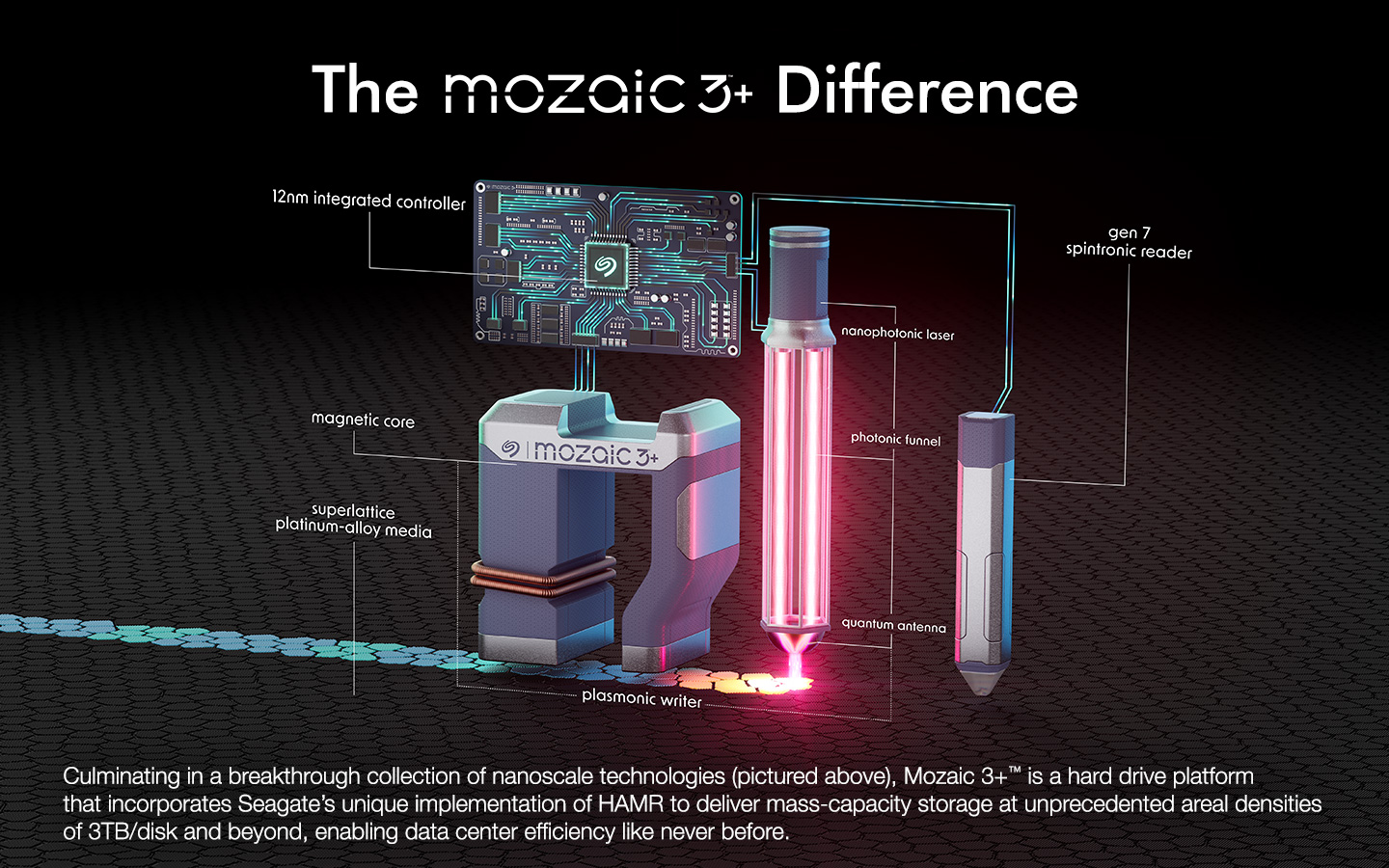
Which three components make up the Seagate plasmonic writer?
The Gen 2 plasmonic writer includes three components that together make heat-assisted magnetic recording work at production scale.
The Nanophotonic Laser
Provides the energy that temporarily alters the magnetic properties of the superlattice platinum-alloy media. By heating specific nanoparticles it lowers their magnetic resistance, allowing data to be written with reduced magnetic field strength.
The Photonic Funnel
Manipulates light at an incredibly minute scale, accurately channeling laser light directly to the quantum antenna. Its design confines the laser’s path to preserve the integrity and power of the beam, using materials with a high refractive index to guide light efficiently with minimal dispersion or loss.
The Quantum Antenna
Converts laser energy into heat at an ultra-fine scale. Critical to high-density data writing, the antenna generates surface plasmons — quantum-level oscillations of electrons induced by light at the metal’s surface. This conversion is highly localized, affecting only the disk area where data is written.
How does the photonic funnel in Seagate’s Gen 2 plasmonic writer maximize energy transfer?
The photonic funnel’s geometry and dimensions are meticulously calculated. This ensures synergy between the light and the quantum antenna that maximizes energy transfer.
Such precision is not merely about controlling light — it’s about intensifying the potential for data storage. The quantum funnel acts as a waveguide to deliver a focused beam to heat the recording media at precise points; this is instrumental in Seagate’s ability to increase areal density, enabling more data to be stored within the same physical space of a hard disk drive.
Its design involves advanced materials science and nanofabrication techniques, confining the laser’s path to preserve the integrity and power of the beam as it traverses to its target. The materials chosen have a high refractive index to guide light efficiently, with minimal dispersion or loss.
How does the Gen 2 plasmonic writer increase Mozaic 3+ areal density?
Together, these components enable a major boost in areal density.
Our advancements in thermal management, materials engineering and the miniaturization of components allow Mozaic-integrated hard drives to encode data more densely than ever before.
Each step of this methodical evolution contributes to a system that enables greater storage capacity, data integrity and drive longevity.
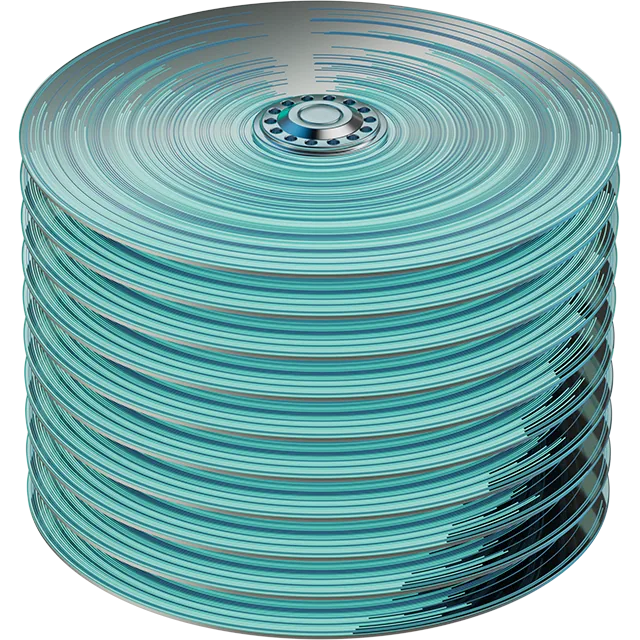
Why areal density matters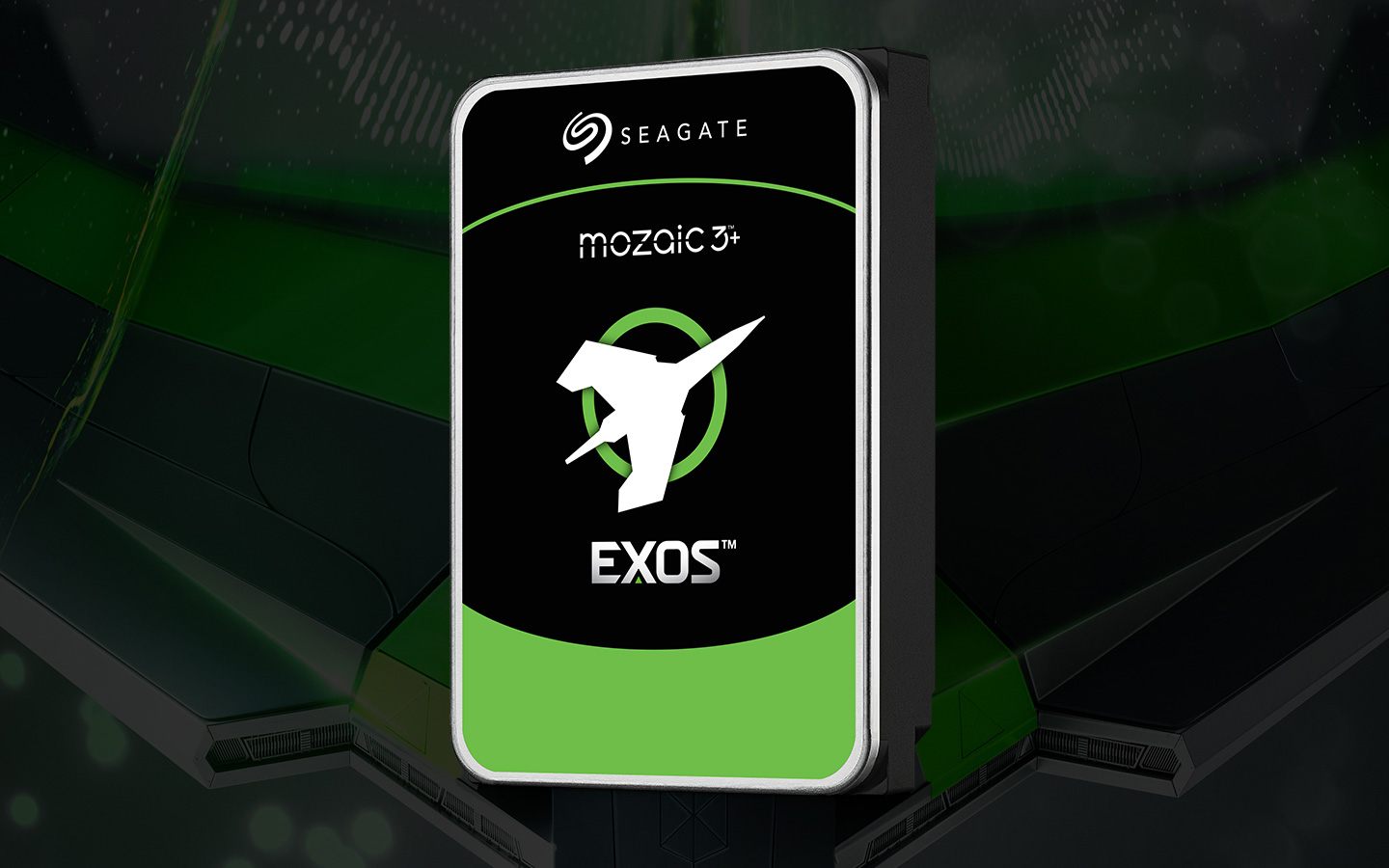
How does the Gen 2 plasmonic writer work with superlattice media, the spintronic reader and the 7nm controller?
Mozaic is not one invention. It is four component technologies engineered in-house to work as a system.
Seagate’s documentation on HAMR thermal writing and Mozaic 3+
The platform these components add up to, and what it delivers.
Gen 2 plasmonic writer: frequently asked questions
How heat-assisted magnetic recording actually writes a bit, and why it raises capacity.
Refined with reduced geometries and an integrated nanophotonic laser, Seagate’s Gen 2 plasmonic writer enables ultra-precise, energy-efficient thermal writing at scale. It delivers repeatable, nanosecond-level thermal control at the exact point of write, supporting higher capacity, improved reliability and the predictable performance required for the Mozaic platform’s multi-generation roadmap.
The laser provides energy that temporarily alters the magnetic properties of the superlattice platinum-alloy media, precisely targeting the area for data writing. By heating specific nanoparticles on the media it lowers their magnetic resistance, allowing data to be written with reduced magnetic field strength. This targeted heating affects only the intended bit, preserving the integrity of adjacent data.
The photonic funnel manipulates light at an incredibly minute scale, accurately channeling laser light directly to the quantum antenna. It acts as a waveguide to deliver a focused beam that heats the recording media at precise points, using high-refractive-index materials to guide light efficiently with minimal dispersion or loss.
The quantum antenna converts laser energy into heat at an ultra-fine scale. Critical to high-density data writing, it generates surface plasmons — quantum-level oscillations of electrons induced by light at the metal’s surface. This conversion process is highly localized, affecting only the disk area where data is being written.
As areal density increases, the margin for error disappears. Nanosecond-level thermal control at the exact point of write is what allows bits to be packed closer together without heating — and therefore disturbing — the data adjacent to them.
Advancements in thermal management, materials engineering and the miniaturization of components allow Mozaic-integrated hard drives to encode data more densely than ever before. Each step contributes to a system that enables greater storage capacity, data integrity and drive longevity.
It is part of the Seagate Mozaic platform, which powers current Exos enterprise hard drives reaching up to 32TB with 3TB+ per platter areal density.
BlueAlly (DiskDataWorks.com) is an authorized Seagate reseller for the Exos enterprise portfolio. Call 844-356-5142 or request a quote online for capacity and watts-per-terabyte modelling.
What does nanosecond-level thermal write control mean for your Exos capacity and power budget?
Our experts can help you find the right solution. Talk to a BlueAlly solution architect about deploying Mozaic-powered Exos drives — and what nanosecond-level thermal write control means for your capacity and power budget.
No-cost architecture assessment
Capacity-per-rack-unit and watts-per-terabyte modelling
Validated Exos configuration for your workload
Flexible procurement — CapEx or OpEx
Talk to an Expert
with a BlueAlly Solution Architect